Commercial underwriting software that fits the systems you already run



- Judge commercial underwriting software by how much time it removes from a real file in your current stack within the first few weeks.
- Most of the delay between inbox and quote comes from copying the same facts between systems that do not talk to each other.
- Good software writes into your policy admin record and rater, adapts to your request structure and leaves pricing logic with you.
- A single module can go live in a few weeks on top of email and spreadsheets, with no core system change first.
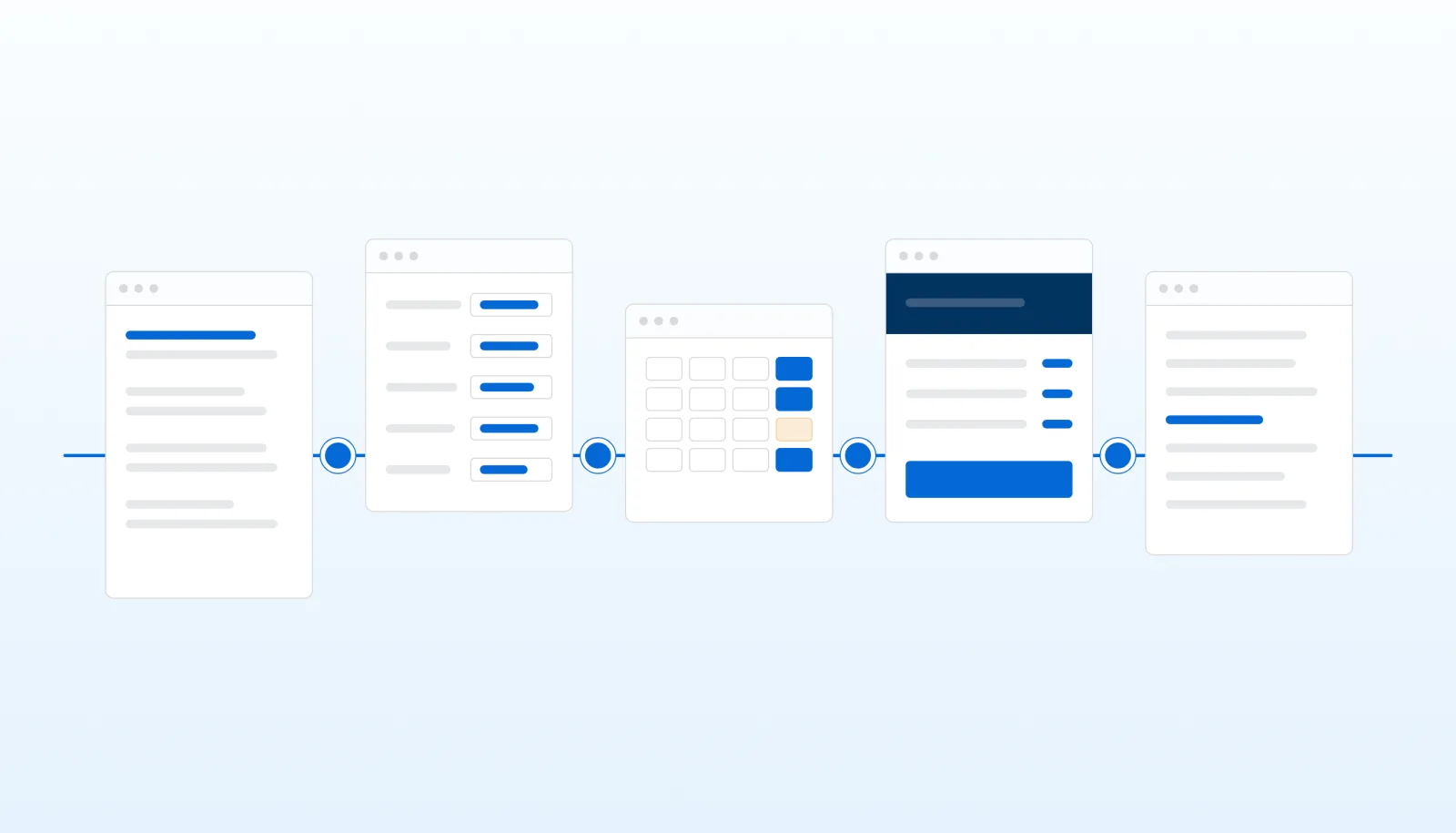
One underwriting operations lead summed up their intake for us this month in four words: "it's all done manually." We hear that more than anything else from commercial teams, and the next thing they say is usually about integration. Usually it goes like this: the core system is old and IT is already stretched, so each new tool they tried ended up as one more window to keep open. They're right to worry, and the first test I'd put to any commercial underwriting software is whether it shortens submission-to-quote time inside the systems you already run. Accuracy matters too (we put ours in the contract), but a file loses hours each time someone carries the insured's name, the class code and the loss totals from the inbox into the policy admin system and then into the rater. Test any vendor on a real file in your current stack within the first few weeks, and treat their integration plan as the evidence. Below, I follow one submission through the systems it touches, show where the hours go, and list what to ask before you sign.
Why does commercial underwriting software stall at the core system?
Most underwriting software projects stall at the core system because the policy admin system was built to hold the record of a policy, and every change to it competes with billing, compliance and claims work for the same small group of engineers. One underwriting technology lead told us that adding a new product to their core system takes about a year and a half, which means any tool that needs the core system changed first inherits that calendar. Another buyer described their brokerage intake module as "1998 technology", which tells you how much change that team expects from the core side any time soon. The pattern I see is that teams try to fix intake by asking the core system to do more, then wait, and meanwhile the work keeps arriving by email. After a run of discovery calls this autumn, my read is that almost nobody has a system in place for the messy front of the file, everything there is still manual, and the sensible way in is to solve one problem first and transform the rest later. That is a sequencing argument, and it is the one I would make to any chief underwriting officer weighing a large replacement project against a narrower start.
Where does the time go between the inbox and the quote?
Most of those hours are spent retyping the same facts from one system into the next. An underwriter can read the file in one sitting, and the quote still goes out three or four days later. One MGA we spoke with this year runs five systems across two teams for a single account, according to their own walkthrough:
- an agency management system that holds the account record and the tasks,
- an underwriting workspace, bought separately, where someone checks the extracted data,
- a rater for pricing indications,
- outside data sources for loss runs, schedules and property detail,
- and the email inbox, where every broker update arrives.
None of those systems talks to the others, which means all five stay open all day. When the rater changes a price, someone copies it back by hand. Sending the quote means downloading a file and attaching it to an email. Their outsourced intake team takes 24 to 48 hours per submission, and a full quote runs three to four days. What finally broke them was the second email: a broker sends the missing schedule a day later, and the whole file gets uploaded, extracted and repriced again. Small accounts feel this delay most sharply, and one small commercial carrier put it bluntly, "even 1 hour is too long," while on trucking fleets under five units the target we hear is one to two hours from submission to quote. You can't hit those numbers while every step waits on a person moving data between windows.
What should the software do inside your policy admin system and rater?
The software should write its results into the systems your underwriters already use and leave those systems in charge of their own jobs, because a parallel record that someone has to reconcile only moves the rekeying to a new place. In my experience most clients want everything through APIs, with the software writing straight into their systems rather than handing over spreadsheets for someone to load. In practice that comes down to a few concrete behaviours you can ask to see:
- It enriches the submission record that already sits in your policy admin system and triggers the outside-data integrations you have already built, so your team does not rewrite them.
- It sends results to your rater and leaves pricing logic with you, since each line of business usually has its own rater, down to Excel workbooks, and that intellectual property should stay inside your walls.
- It works to a request structure you define once (search, create, update, attach a document), so your engineers aren't learning the vendor's API on top of their day jobs.
- It copes when your data changes shape. Exposure files and schedules keep landing on the same submission and their columns move around, so ask for one webhook that can carry several object types and a way to absorb column changes without waiting on your team to rebuild a feed.
Brokers shouldn't have to change a thing. Ingestion has to work from email, portals, APIs, SFTP and shared folders the way people use them today. If a vendor can't explain each of these in your words on the first call, you've already learned how the rollout will go.
| Question to ask a vendor | Why it matters to speed | A good answer sounds like |
|---|---|---|
| Where does the output land? | A separate screen adds a copy step to every file. | In your policy admin record and rater, through your API. |
| Who changes the core system? | Core system changes can take more than a year. | Nobody; the software reads and writes through what exists. |
| What happens when a broker sends a second email? | Fragmented submissions force full rework. | The new document is matched to the open file and only the changed fields move. |
| How do releases reach production? | Uncontrolled changes break downstream checks. | Configuration fixes on a timeline they will put in writing; product features on your release calendar. |
How fast can commercial underwriting software go live without an IT project?
A single module can go live in a few weeks on top of what you have, because the work is configuring against your documents and guidelines while your core record is left alone. I've watched the first batch for a new carrier move slowly while the setup was still learning that carrier's rules, then speed up over the following weeks once it had adapted, and that's roughly the shape to expect. You also don't need a workflow tool in place first, since we often start on top of email and the spreadsheets a team already keeps, fix one problem, and widen from there. It is also worth asking how changes will reach you, because large carriers want controlled releases for good reason, so ask the vendor how quickly a configuration fix such as an extraction rule can reach production and confirm that new features arrive on your own release calendar, since a surprise change downstream costs more time than it saves.
What should an operations team check on Monday?
An operations team can test any vendor's integration story in a week by running a handful of its own recent files through the proposed setup and timing each hop, which gives a far better answer than a demo built on clean sample documents. I would start with these checks:
- Start by counting windows. Take five quotes from last week. For each one, write down every system it touched (count email) and how many times somebody copied a value from one to another.
- Time the second email. Pull up a file where the broker's missing schedule came in late, and see how many hours passed before the rater had it.
- Make them show it in your systems. That means a test copy of your policy admin record and your rater, with your field names on screen.
- Ask who approves changes. Who signs off a new extraction rule or routing rule, and how long does a configuration fix take to reach production?
- Put the go-live date in the contract. A few weeks for one module is a fair ask; a vendor that won't commit to a date for one module will struggle with six.
Teams that run these checks usually find that the slowest step is a copy between two systems they own, which is useful to know before any software is bought.
How does the AI Underwriting OS fit around what you already run?
Pibit AI is the AI Underwriting OS for commercial, specialty and E&S insurance: AI agents run underwriting from submission to quote inside the systems you already have, and your underwriters keep the decisions and the broker relationships. The OS has six stages (Intake & clearance, Extraction & research, Triage & risk analysis, Rating & pricing, Quote & bind, Portfolio management), and you can start with any one of them. A module goes live in a few weeks, the full OS takes one to two months, and there's no implementation fee. In Verified mode, with our human-in-the-loop, we guarantee 99.9% workflow accuracy in the contract, with an SLA of 2 hours at most. On speed, the headline outcomes show what's possible, 70% faster time to quote and 2x underwriter throughput, though every book starts from a different place. If you're mapping your own path from inbox to quote, our pieces on submission intake best practices, underwriter-ready submissions and outsourced back-office work versus AI-native services go further, and our glossary entry on the ACORD form covers the first document in most files. When you want to time one of your own files, Request a Demo.
Frequently Asked Questions

It should read from the places submissions already arrive, such as email, portals, APIs, SFTP and shared folders, and write its results into the policy admin system and rater your underwriters already use. The rater keeps its own pricing logic, and brokers should not have to change how they send anything.
No. AI underwriting software can sit on top of your existing policy admin system, enrich the submission record that is already there and trigger the integrations you have built. Replacing the core system first can add a year or more before any underwriter sees a faster file.
With Pibit AI, a module is live in a few weeks and the full AI Underwriting OS in one to two months, with no implementation fee. The setup is configuration against your documents and guidelines, so it does not wait on a core system project.
Editorial voice · Underwriting operations

Featured blogs
Ready to optimize